Why this pilot site?
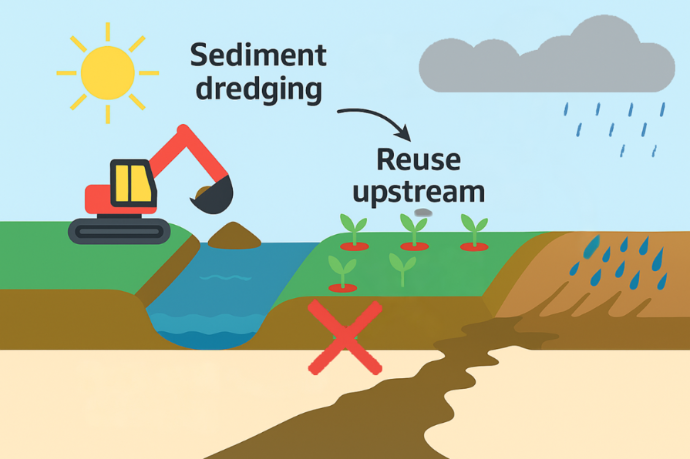
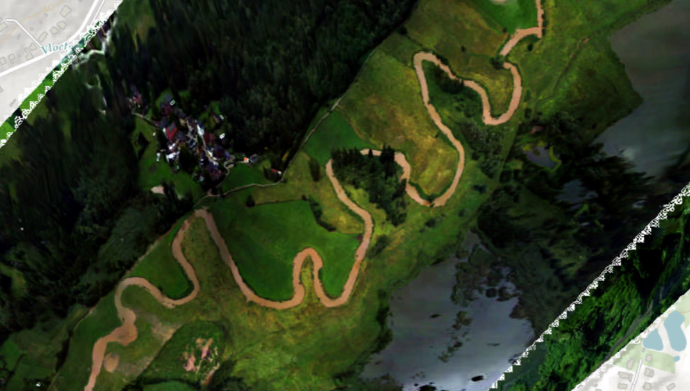
Soil erosion and sediment transport have created an imbalance in the river’s sediment budget. Fine sediments may contain pollutants, contaminants and excessive nutrients, while cleaner coarse sediments currently have limited opportunities for reuse. This pilot sees dredged material as a local resource rather than waste.
What do we want to achieve?
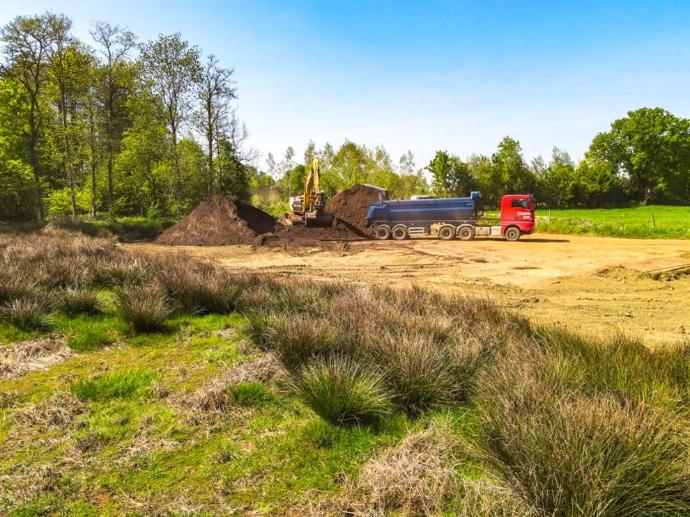
The pilot wants to improve the structure and chemical quality of dredged sediment so that it can be reused safely and effectively. It also aims to reduce soil erosion, limit the export of sediment through the catchment and contribute to a climate-resilient sediment strategy.
How will we do this?
The soil structure of the dredged material will be improved, for example by adding carbon sources, and by reducing pollutants and excessive nutrients. The treated sediment can then be reused to improve soil quality and resistance to erosion, or incorporated into erosion-control measures, such as dams and profiled grass strips.