Why this pilot site?
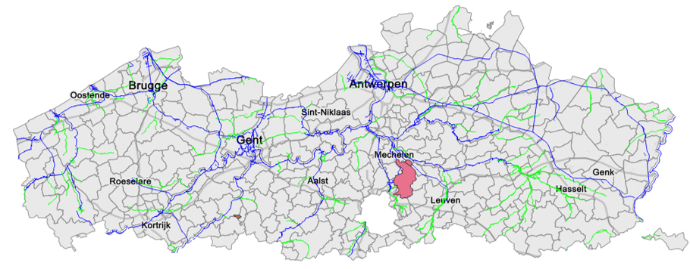
Soil erosion upstream brings large amounts of sediment into the Barebeek. In flatter downstream sections, this sediment accumulates and may contain contaminants from historical and current industrial activities, including PFAS. This affects water and sediment quality as well as floodplain habitats.
What do we want to achieve?
The pilot wants to make the Barebeek valley and its floodplains more climate-resilient by reducing the downstream transport of pollutants, improving sediment and surface water quality, and creating solutions for sediment management.
How will we do this?
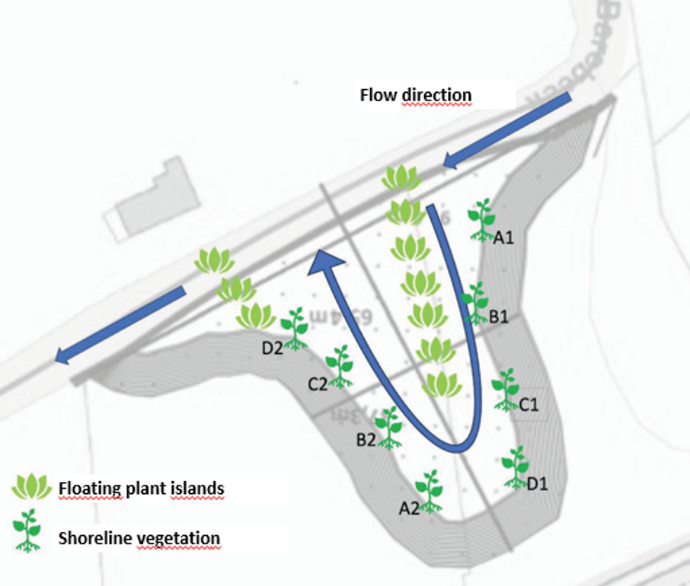
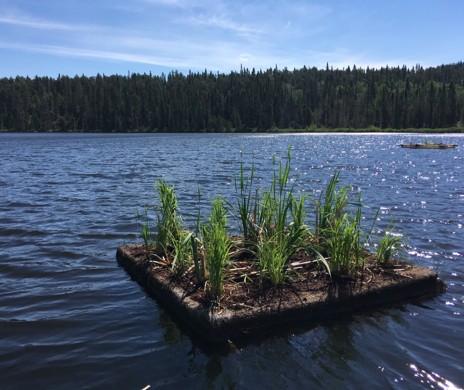
We combine monitoring with nature-based solutions. These include optimising the sediment trap, installing floating treatment wetlands with selected plants, and testing helophyte filters and bank vegetation. The plants and their root zones can help extract or immobilise contaminants and reduce their mobility in water and sediment. Their effectiveness, including their potential role in limiting PFAS diffusion, will be monitored over several years.